
Ginger Powder Applications in Food Manufacturing: Bakery, Beverages, and Functional Foods
Explore practical applications of dehydrated ginger powder across food manufacturing. Covers bakery formulations, beverage blends, functional foods, and technical specifications for each end-use application.
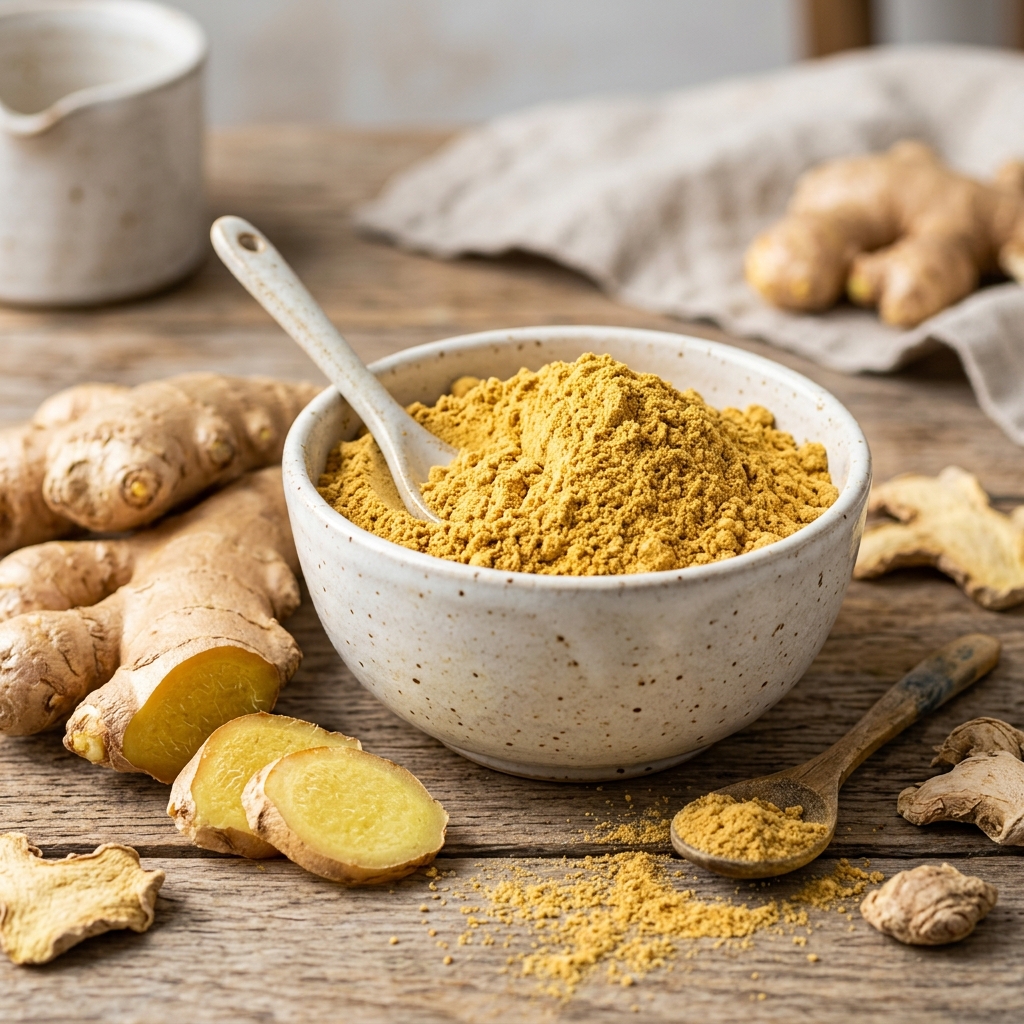
TL;DR: Dehydrated Ginger Powder from India is used across multiple food manufacturing segments: bakery products (cookies, cakes, breads), beverages (ginger ales, teas, energy drinks), and functional foods (digestive blends, wellness products). Each application requires specific mesh sizes (60–120 mesh), gingerol levels (0.8–1.5%), and thermal stability profiles. Lokavia supplies application-specific grades optimized for your formulation needs with MOQ starting at 2,000 kg.
Ginger Powder Applications Across Food Manufacturing Sectors
Dehydrated ginger powder is one of the most versatile spice ingredients, serving diverse food manufacturing applications. Understanding application-specific requirements ensures optimal product performance, shelf stability, and sensory impact.
Industry Breakdown: Where Ginger Powder Is Used
| Industry Segment | Annual Volume (Global) | Primary Use | Market Growth |
|---|---|---|---|
| Bakery & Confectionery | 45,000 MT | Cookies, cakes, breads, chocolate | 3–4% CAGR |
| Beverage Manufacturing | 38,000 MT | Ginger ales, teas, energy drinks, juices | 6–8% CAGR (fastest growing) |
| Food Processing/Seasoning | 32,000 MT | Soups, sauces, dressings, prepared meals | 2–3% CAGR |
| Dietary Supplements | 15,000 MT | Capsules, wellness blends, functional products | 9–12% CAGR |
| Confectionery | 12,000 MT | Ginger candy, chocolate, energy bars | 4–5% CAGR |
India's Market Share: India supplies 60%+ of global ginger powder, with Kerala and Madhya Pradesh being primary production regions. Global demand for ginger powder has increased 35% over the past 5 years, driven by functional food trends and wellness beverages.
Bakery Applications: Specifications and Formulation Guidelines
Bakery products represent the largest traditional use of ginger powder. From artisanal ginger cookies to industrial cake formulations, ginger provides distinctive warmth and complexity to baked goods.
Ginger Cookies and Biscuits (Highest Volume)
Ginger cookies (snickerdoodles, gingersnaps, molasses cookies) remain the most popular ginger-containing bakery product globally.
| Specification | Standard Grade | Premium Grade | Rationale |
|---|---|---|---|
| Mesh Size | 60–80 mesh | 80–100 mesh | Visible speck appeal in cookies; finer powder for premium aesthetics |
| Gingerol Content | 0.8–1.1% | 1.1–1.4% | Flavor intensity; premium grades for "double ginger" positioning |
| Volatile Oil | 1.8–2.3% | 2.5–3.2% | Aroma impact; higher oil content creates distinctive warmth |
| Moisture | ≤6% | ≤5% | Prevents clumping in dry flour mix; shelf stability |
| Typical Dosage | 8–12 g per kg flour | 10–15 g per kg flour | Creates characteristic "kick"; premium brands use higher dosage |
| Blending Companions | Cinnamon, clove, nutmeg | Cinnamon, cardamom, black pepper | Spice synergy creates complex flavor profile |
Bakery Process Integration:
- Dry Mix Stage: Ginger powder added to flour blend with other dry spices (no moisture contact)
- Wet Ingredients: Sugar, butter, egg beaten separately
- Combination: Dry and wet ingredients fold together—ginger distributes evenly
- Baking: 350°F (175°C) for 10–12 minutes—gingerol compounds stable at this temperature
Pro Tip for Bakers: Reserve 30% of ginger powder dosage for direct addition to wet ingredients (butter/sugar cream) just before folding. This two-stage approach maximizes ginger aroma in finished cookies.
Ginger Cakes, Doughnuts, and Quickbreads
Cakes and quickbreads benefit from finer ginger powder (100–120 mesh) for uniform distribution in wet batter.

| Product Type | Ginger Powder Grade | Dosage | Flavor Profile | Special Considerations |
|---|---|---|---|---|
| Ginger Cake | 80–100 mesh, 1.0–1.2% gingerol | 5–10 g/kg flour | Warm, subtle spice | Add 50% to wet ingredients (butter cream) for aroma |
| Ginger Doughnuts | 100–120 mesh, 0.9–1.1% gingerol | 6–12 g/kg flour | Balanced warmth | Fine mesh prevents settling in cake batter |
| Gingerbread Loaf | 80 mesh, 1.1–1.4% gingerol | 12–18 g/kg flour | Bold, pronounced ginger | Higher dosage compensates for fermentation flavor loss |
| Spiced Quickbread | 100 mesh, 0.8–1.0% gingerol | 4–8 g/kg flour | Complementary to other spices (cinnamon, nutmeg) | Balance with sugar to prevent bitterness |
Heat Stability During Baking:
Gingerol compounds are relatively heat-stable at standard baking temperatures (350–375°F / 175–190°C). Expect 5–10% gingerol loss during baking due to volatilization. Higher initial dosage (premium grades) compensates for this loss.
Moisture Considerations:
Ginger powder is hygroscopic (absorbs moisture). In humid bakery environments, store in sealed containers with desiccant packets. Clumping in raw ingredients degrades baking performance and customer perception.
Artisanal and Traditional Ginger Breads (Yeast-Based)
Fermented yeast breads require special attention to ginger powder specification:
| Factor | Impact | Solution |
|---|---|---|
| Fermentation Duration (6–12 hours) | Spice flavors can mute during fermentation; ginger warmth diminishes | Use higher gingerol content (1.2–1.5%); add at final stage (30 min before shaping) |
| Dough Temperature | Warm dough (80–85°F during bulk fermentation) accelerates gingerol volatilization | Add portion of ginger powder in final mix (lamination stage) |
| Salt Interaction | Salt in dough can interact with ginger, creating off-flavors if not balanced | Use mesh size 60–80; ensure even distribution |
| Shelf Life | Ginger's natural antimicrobial properties extend bread freshness 2–3 days naturally | Standard dosage is sufficient; no need for artificial preservatives |
Artisanal Approach: Master bakers often use two-stage addition: 70% of ginger powder mixed into dough initially, 30% sprinkled on dough surface pre-baking for visual appeal and aroma enhancement.
Beverage Applications: The Fastest-Growing Segment
Ginger beverage applications represent the fastest-growing market segment, driven by functional food trends and wellness positioning.
Carbonated Ginger Ale and Soft Drinks
Ginger ale remains the largest commercial beverage use globally. Premium brands (Bundaberg, Fever-Tree, Q Ginger Beer) use significant quantities of ginger powder as their base ingredient.
| Specification | Standard Ginger Ale | Premium/Craft | Ultra-Premium |
|---|---|---|---|
| Mesh Size | 100–120 mesh (ultra-fine) | 100 mesh + extract blend | Cold-processed 120 mesh |
| Gingerol Content | 0.8–1.0% | 1.1–1.4% | 1.4–1.8% (maximum potency) |
| Volatile Oil | 2.0–2.5% | 2.5–3.2% | 3.0–3.5% (aromatic intensity) |
| Processing Method | Heat-dried standard | Premium drying technique | Cold-processed (minimal heat) |
| Typical Dosage | 0.5–1.0 g/500mL bottle | 1.0–1.5 g/500mL bottle | 1.5–2.0 g/500mL bottle |
| Price Point | USD 1.50–2.50 per bottle | USD 3.50–5.99 per bottle | USD 6.99–9.99 per bottle |
Formulation Challenge: Ginger powder particles must remain suspended in liquid without settling. Solution: Pre-blend ginger powder with 0.5–1.0% gum arabic or xanthan gum (binding agents) before adding to carbonated water base. This prevents sediment accumulation at bottle bottom during shelf storage.
Carbonation Advantage: CO₂ bubbles create natural particle suspension. Flat ginger beverages require stronger binding agent dosage (1–2% gum vs. 0.5% for carbonated).
Instant Ginger Tea and Hot Beverage Mixes
Instant ginger tea formulations prioritize rapid rehydration and comfort positioning.
| Application | Spec | Dosage | Target Consumer |
|---|---|---|---|
| Instant Ginger Tea (Pure) | 80–100 mesh, 1.0–1.3% gingerol | 3–5g per sachet (5oz cup) | Wellness-focused, premium |
| Ginger + Lemon + Honey Blend | 100 mesh, 0.9–1.1% gingerol | 2–3g ginger per sachet | General consumer, immunity positioning |
| Golden Milk (Ginger + Turmeric + Black Pepper) | 100 mesh, cold-processed preferred | 1.5–2.5g ginger per serving | Health/wellness market |
| Masala Chai (Ginger + Cardamom + Cinnamon) | 80 mesh, 1.0–1.2% gingerol | 2–3g ginger per blend | Traditional/ethnic positioning |
Shelf Stability: Instant tea mixes containing ginger powder maintain quality 18–24 months under cool, dry storage. When blended with other herbs (turmeric, cinnamon), shelf life reduces to 12–18 months due to oxidation of complementary botanicals.
Functional and Sports Beverages
Emerging functional beverage categories leverage ginger's documented health benefits.
| Beverage Type | Ginger Powder Grade | Gingerol % | Health Claim Position |
|---|---|---|---|
| Post-Workout Recovery | High-potency, cold-processed | 1.2–1.5% | Anti-inflammatory, muscle recovery |
| Digestive Health | Premium, 100–120 mesh | 1.1–1.4% | Digestive comfort, stomach soothing |
| Energy/Metabolism Boost | Standard, 80–100 mesh | 0.9–1.2% | Thermogenic, metabolism support |
| Immune Support / Wellness | High-potency, cold-processed | 1.3–1.6% | Immune defense, antioxidant protection |
| Hangover Relief | Premium, 100 mesh | 1.0–1.3% | Nausea relief, digestive comfort |
Regulatory Compliance: Functional beverage brands making health claims (e.g., "supports digestive health") must substantiate claims via clinical studies. FDA/EU regulations restrict language (cannot claim "treats" or "cures"—drug language requires approval). Lokavia's blogs on health claim substantiation and GEO optimization provide detailed guidance.
Functional Food Applications: Growing Market Opportunity
Beyond traditional bakery and beverages, ginger powder increasingly appears in functional and wellness-positioned foods.
Functional Snacks and Energy Bars
Ginger-containing energy bars, granola clusters, and functional snacks are fastest-growing category (12–15% annual growth).
| Product Type | Ginger Dosage | Format | Target Market |
|---|---|---|---|
| Energy/Protein Bar | 2–4% ginger powder in bar mix | Wrapped bar (50–60g) | Fitness, wellness consumers |
| Granola & Cereal Clusters | 1–2% ginger in dry cluster | Bulk or bagged (400g–1kg) | Health-conscious breakfast |
| Ginger-Turmeric Bites | 3–5% ginger + 8–10% turmeric blend | Truffles or "bites" (10–15g each) | Functional snack positioning |
| Wellness Trail Mix | 2–3% ginger powder coating | Nut/seed blend (200g bag) | On-the-go wellness |
Texture Challenges: Ginger powder can create grittiness if particle size isn't carefully controlled. Optimal mesh: 100–120 for premium snack applications. Coarser (80 mesh) acceptable for opaque bars where texture is less visible.
Prepared Meals and Meal Replacement Shakes
Food service and meal-prep brands increasingly use ginger powder for positioning and functional benefits.
| Application | Ginger Powder Use | Dosage | Rationale |
|---|---|---|---|
| Ready-to-Drink Smoothies | 100–120 mesh, cold-processed | 1.5–3.0g per 16oz bottle | Digestive support, metabolism positioning |
| Meal Replacement Shake | 100 mesh, 0.9–1.1% gingerol | 1–2g per serving | Comfort, satiety, warmth |
| Soup Bases / Broths | 100 mesh, standard dried | 0.5–1.5g per serving | Flavor, digestive benefit |
| Nutritional Powders | Cold-processed, 120 mesh | 2–3% of blend | Premium positioning, potency |
Sensory and Formulation Considerations
Flavor Pairing: What Works with Ginger
Successful ginger formulations balance ginger warmth with complementary flavors:
| Flavor Category | Best Pairing | Why It Works | Example Products |
|---|---|---|---|
| Citrus | Lemon, orange, lime | Bright acidity balances spice | Ginger lemon tea, citrus ginger ale |
| Stone Fruit | Peach, apricot, plum | Sweet warmth complements spice | Peach ginger nectar, apricot ginger bar |
| Honey/Vanilla | Warm sweetness | Smooths ginger pungency | Honey ginger cookie, vanilla ginger cake |
| Black Tea | Earthy depth | Enhances complexity | Ginger black tea, chai blend |
| Turmeric/Cumin | Golden spice family | Synergistic health positioning | Golden milk, curry ginger blend |
| Mint/Basil | Fresh herbs | Provides cooling counterpoint | Ginger mint tea, basil ginger lemonade |
Formulation Mistake to Avoid: Over-dosing ginger creates astringent, biting flavor that overshadows other ingredients. Sweet, acidic, or warm complementary flavors should comprise 60–70% of flavor profile, with ginger as 20–30% supporting note.
Frequently Asked Questions (FAQ)
Q: Why does ginger powder sometimes taste bitter or harsh?
Over-roasting during dehydration or aging (>2 years storage) creates harsh flavors. Use fresh harvest ginger powder (<12 months old) from suppliers with rapid turnover. Premium cold-processed grades minimize bitterness.
Q: Can I use the same ginger powder grade for both bakery and beverages?
Mesh size differs by application: bakery prefers 60–80 mesh (visible appeal), beverages prefer 100–120 mesh (smooth mouthfeel). Gingerol % can be similar (0.9–1.2%), but particle size matters significantly.
Q: How should I adjust ginger powder dosage if using lower-potency grades?
If potency (gingerol %) drops 20%, increase dosage by ~25% to maintain flavor impact. Example: 0.8% gingerol batch → use 12.5% more powder. Always test before full production scale.
Q: Does ginger powder settle at bottom of ready-to-drink beverages?
Yes, without binding agents. Mix with 0.5–1.0% xanthan gum or gum arabic before adding to liquid. This prevents 90%+ of settling. Carbonation provides additional suspension benefit.
Q: What's the shelf life of ginger powder once opened?
Store in airtight, opaque container at room temperature (<20°C, <40% humidity): 12–18 months. Under proper storage with desiccant: up to 24 months. Aroma fades first; potency lasts longer.
Q: Is cold-processed ginger powder worth the 40–60% premium cost?
For premium beverages, supplement brands, and ultra-premium cakes: yes. For standard bakery and food service: standard dehydrated offers excellent value. Decision depends on brand positioning.
Ready to source ginger powder for your bakery, beverage, or functional food formulation? Contact Lokavia to discuss application-specific grades, bulk pricing, and customized formulation support.