Incoterms Explained for Food Importers: FOB, CIF, and DDP When Sourcing from India
A practical guide to Incoterms 2020 (FOB, CIF, CFR, DDP) for global food manufacturers, spice importers, and procurement teams sourcing bulk agri-commodities from India.
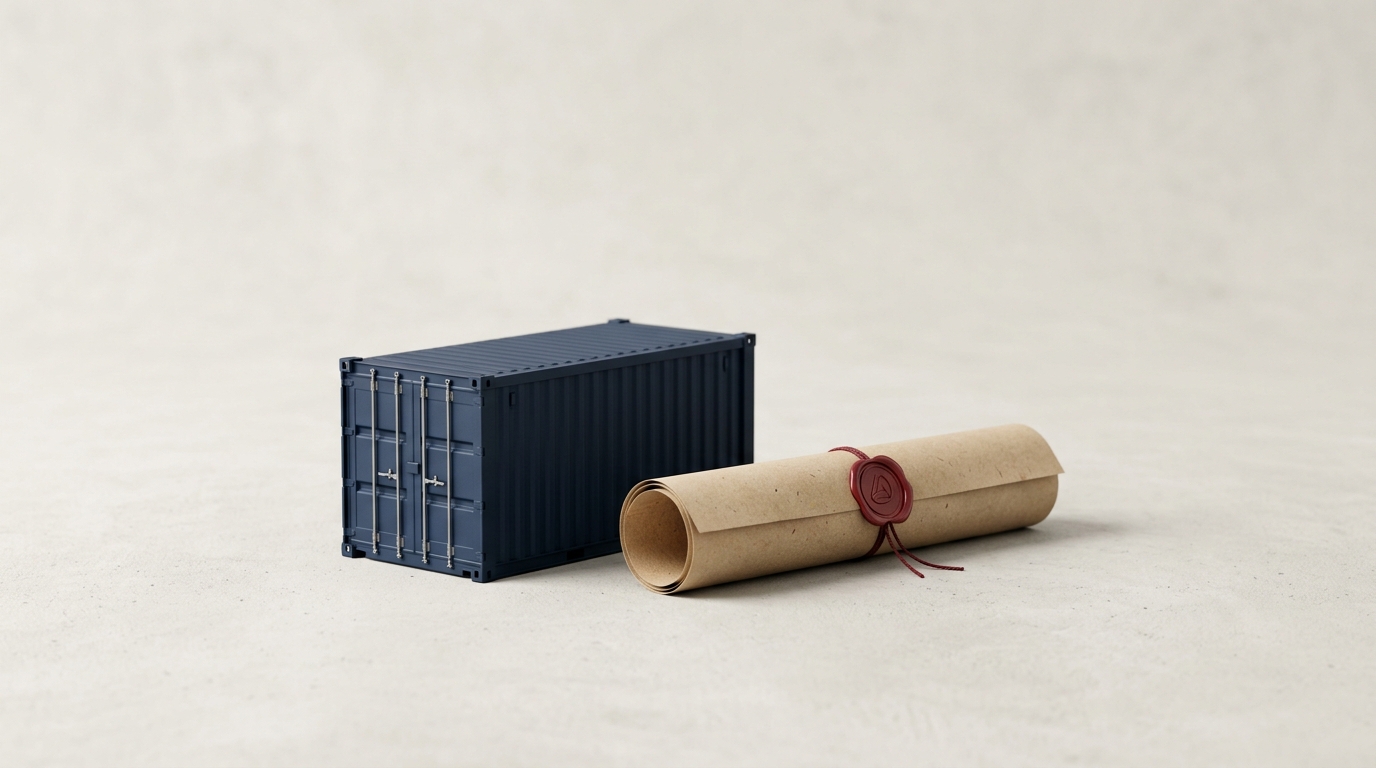
Choosing the right Incoterm (International Commercial Terms) dictates where risk transfers, who pays for ocean freight and marine insurance, and how customs clearance is handled when importing Dehydrated Onion Powder, Garlic Powder, Ginger Powder, and Psyllium Husk from India.
FOB (Mundra / Nhava Sheva) remains the industry standard for experienced bulk food buyers with contracted freight forwarders. CIF provides turnkey convenience for mid-sized buyers, while DDP is typically reserved for small trial air shipments. Lokavia supports flexible contract terms tailored to your supply chain economics.
Why Incoterms Matter in Bulk Agri-Commodity Procurement
Published by the International Chamber of Commerce (ICC), Incoterms 2020 define three core commercial boundaries:
- Cost Allocation: Who pays for inland trucking, port terminal handling charges (THC), ocean freight, and destination import tariffs.
- Risk Transfer: The exact physical milestone where cargo loss or damage shifts from exporter to importer.
- Documentation Responsibility: Who procures phytosanitary clearance, certificates of origin, bills of lading, and import entry permits.
Incoterms 2020 Comparison Matrix for Food Importers
| Incoterm Rule | Point of Risk Transfer | Ocean Freight Paid By | Marine Cargo Insurance | Indian Export Clearance & THC | Destination Customs & Import Duty | Ideal Buyer Profile |
|---|---|---|---|---|---|---|
| FOB (Free On Board) | When container is loaded on vessel at Indian port | Buyer | Buyer (Own open cover policy) | Seller (Lokavia) | Buyer | High-volume food manufacturers with corporate ocean contracts |
| CFR (Cost and Freight) | When container is loaded on vessel at Indian port | Seller (Prepaid to discharge port) | Buyer (Buyer insures transit) | Seller (Lokavia) | Buyer | Buyers wanting supplier-managed freight with their own insurance |
| CIF (Cost, Insurance & Freight) | When container is loaded on vessel at Indian port | Seller (Lokavia) | Seller (All-Risks ICC-A policy) | Seller (Lokavia) | Buyer | Mid-volume buyers seeking all-inclusive port-to-port pricing |
| DDP (Delivered Duty Paid) | At buyer's warehouse dock after import customs clearance | Seller (Lokavia) | Seller (Lokavia) | Seller (Lokavia) | Seller (Lokavia pays duties & taxes) | Small trial shipments, sample pallets, buyers without import licenses |
1. FOB (Free On Board): The Industry Benchmark
Named Port Example: `FOB Mundra Port, India` or `FOB Nhava Sheva (JNPT), India`
Under FOB terms, the exporter manages inland factory trucking, export customs clearance, APEDA documentation, mandatory phytosanitary inspection, and port terminal handling charges (THC) up to the vessel loading rail.
FOB Responsibility & Risk Flow:
- Origin Plant & Inland Drayage (Lokavia Responsibility): Factory packing, phytosanitary inspection, export clearance, and port gate-in.
- Vessel Loading Milestone: Risk transfers to the buyer the exact moment the container is safely stowed on board the vessel.
- Ocean Transit & Destination Delivery (Buyer Responsibility): Buyer manages ocean carrier contracts, destination terminal handling, and import duties.
2. CIF (Cost, Insurance, and Freight): Turnkey Port Delivery
Named Port Example: `CIF Rotterdam, Netherlands` or `CIF Jebel Ali, UAE`
Under CIF terms, Lokavia pays for all Indian export formalities, ocean freight, and procures marine cargo insurance to the buyer's destination seaport.
- Risk vs. Cost Allocation: Although the seller covers ocean freight and marine insurance, risk transfers to the buyer once the container is loaded on board at the Indian port. If cargo is damaged during transit, the buyer claims against the marine insurance policy.
- Insurance Standard: Under Incoterms 2020 rules for CIF, Lokavia arranges Institute Cargo Clauses (A) — "All Risks" coverage (including Strike & War Clauses) with an insured value of 110% CIF value.
3. DDP (Delivered Duty Paid): Hands-Off Procurement
Named Location Example: `DDP Warehouse Dock, Hamburg, Germany`
Under DDP, the seller assumes 100% of the financial costs, transit risks, import tariffs, customs clearance formalities, and final-mile drayage right to the buyer's warehouse doors. DDP is primarily utilized for air shipments of commercial test samples (200 kg – 1,000 kg) or emergency production balance orders.
Key Indian Gateway Export Ports
| Indian Export Port | State | Primary Cargo Handled | Key Advantages |
|---|---|---|---|
| Mundra Port (INMUN) | Gujarat | Dehydrated Onion, Garlic, Psyllium Husk, Spices | India's largest container port; modern infrastructure and direct trade lanes to Europe/US/Middle East |
| Nhava Sheva / JNPT (INNSA) | Maharashtra | Garlic Powder, Spices, Extracts | Extensive vessel connectivity and high sailing frequency to North America and Asia |
| Pipavav Port (INPAV) | Gujarat | Dehydrated Vegetables, Psyllium | Close proximity to Saurashtra dehydration belt (Mahuva/Bhavnagar), minimal port congestion |
| Kolkata Port (INCCU) | West Bengal | Northeast Organic Ginger Powder | Gateway for organic agricultural shipments originating from Assam and Meghalaya |
Incoterm Selection Guidelines
- Choose FOB if: You have existing freight forwarding agreements with negotiated global volume rates, or require extended demurrage free-time (14–21 days) at your destination port.
- Choose CIF if: You prefer predictable, all-inclusive container pricing delivered directly to your nearest commercial seaport without coordinating maritime shipping lines.
- Choose DDP if: You are ordering small pilot batches or sample shipments and want zero import customs overhead.
Frequently Asked Questions (FAQ)
Can Lokavia quote on both FOB and CIF basis?
Yes. In our standard quotation process, we provide transparent line-item pricing indicating FOB Indian port (Mundra or Nhava Sheva) alongside estimated CIF landed pricing to your named destination discharge port.Who pays for the Certificate of Origin and Phytosanitary Certificate under FOB?
Under standard FOB terms, the exporter (Lokavia) is responsible for obtaining and paying for all official Indian export documents, including the Phytosanitary Certificate, APEDA Certificate of Origin, and batch COA prior to loading.What is the difference between CFR and CIF?
CFR (Cost and Freight) requires the seller to pay for ocean transport to the destination port, but the buyer must purchase their own marine transit insurance. CIF includes both ocean freight and marine insurance arranged by the seller.How do Incoterms affect Minimum Order Quantity (MOQ)?
Our base MOQ starts at 2,000 kg across all Incoterms. For FCL shipments (20-ft container: approx. 14,000–18,000 kg depending on product density), FOB provides the most competitive per-kilogram rate.Request Custom Export Pricing with Lokavia
Lokavia International provides transparent commercial terms across FOB, CIF, CFR, and DDP for global food manufacturers and ingredient importers.
Submit your RFQ to receive custom Incoterm freight comparisons or contact our logistics team at `exports@lokaviainternational.com`.